Home / Engineering / Foundations
Anchored for Safety

Foundation Systems

Whether permanent or temporary, our structures offer a wide range of foundation options to suit your soil conditions, budget, and site requirements.

Site Adaptability

Foundations for Every Terrain

One of the primary advantages of a Champion fabric building is foundation flexibility. Unlike traditional buildings that require deep, expensive footings, our lightweight truss design allows for surface-mounted and relocatable options.

Our engineering team provides foundation reaction loads (uplift, shear, and compression) so your local engineer can specify the exact base design for safety and compliance.

🚚

Relocatable Ready

Ballast-mounted systems allow for building relocation without permanent site damage.

🔨

Rapid Installation

Helical piles and ballast blocks eliminate the wait time for concrete curing.
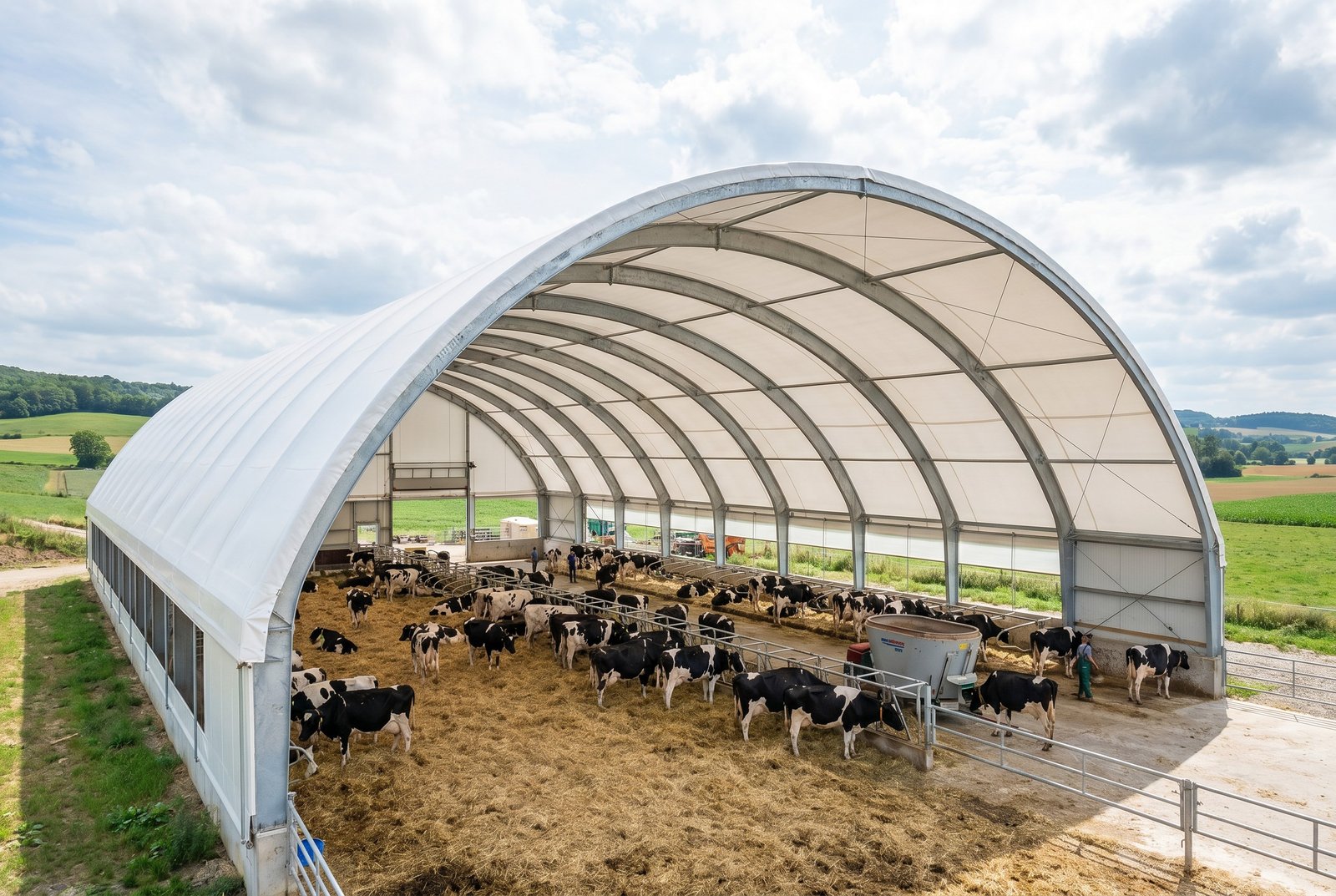
Foundation system example
Mounting Options

Foundation Types & Applications

Choose the system that best matches your operational goals and local soil geotechnical profile.

TypeDescriptionBest ForRelocatable?Install Speed
Concrete FootingsCast piers or continuous slabHeavy industrial/PermanentNoSlow (Curing)
Ballast BlocksPre-cast concrete weightsAsphalt or level gravelYesVery Fast
Screw PilesHelical steel anchorsSoft soil / High uplift zonesYesFast
Container MountMounting to ISO containersOn-site workshops & heightYesModerate
Earth AnchorsPercussion driven tipsShort-term temporary useYesFast
Selection Criteria

Why Foundation Choice Matters

Correct anchoring is critical for structural integrity against wind and seismic forces.

01

Soil Capacity

We match the foundation type to the bearing capacity of your soil, typically measured in kPa or psf.

02

Wind Uplift

The system must provide enough dead-weight or friction to resist suction forces during storm events.

03

Site Drainage

Proper base design prevents water pooling, protecting both the frame and the building contents.

04

Future Utility

Consider if the site will be restored to its original state or if the building will move in 5 years.

Preparation

Site Prep & Engineering Requirements

To ensure a successful installation, please review these standard engineering prerequisites.

Leveling

The building footprint must be level within 50 mm to ensure proper truss alignment and membrane tension.

Soil Compaction

Sub-grade should be compacted to 95% Modified Proctor density for equipment traffic and foundation stability.

Site Access

Clearance of at least 6 m around the perimeter for cranes, man-lifts, and installation crews.

Utility Clearance

All underground services must be located and marked before any piling or excavation begins.

Engineering Focus

Base Plate & Reaction Forces

Every truss delivers specific forces to the foundation. Our designs include engineered base plates to distribute these loads evenly.

Up

Uplift

Vertical force from wind suction.

Dwn

Compression

Dead weight plus snow load.

Side

Shear

Lateral force from wind or seismic.

FAQ

Foundation FAQ

Yes. We can use heavy-duty asphalt anchors or ballast blocks to secure the structure without requiring a new concrete slab, saving time and money.

We provide the reaction loads (kN/lbs). A local engineer typically designs the final foundation based on your specific site soil report and local building codes.

It provides immediate secure storage, acts as a foundation, and adds significant interior height (up to 2.6 m per container) to the structure.

Typically 2 m to 5 m, depending on the torque required to reach load-bearing soil strata as determined by the field installation crew.

Absolutely. Ballast blocks are 100% reusable and can be transported with the building to a new site, making them ideal for temporary project sites.

We recommend a 1 m perimeter of compacted gravel or a concrete apron with a 2% slope away from the structure to ensure water is shed effectively.

Related

Continue Exploring Engineering

Structural Engineering → Steel Frame → Wind Load Analysis → Snow Load Analysis →

Anchor Your Project

Download our foundation reaction guides to begin your site preparation today.

Request a Free Quote