Home / Engineering / Corrosion Protection
Built to Resist

Corrosion Protection

Structural longevity depends on superior surface protection. We engineer coating systems to withstand the most aggressive industrial and coastal environments.

Environment Assessment

ISO 12944 Corrosivity Categories

Before selecting a coating system, we assess the site's environmental aggressiveness according to ISO 12944 standards. This ensures the steel frame is protected for its intended design life.

From low-corrosivity (C1) indoor warehouses to very high (C5) coastal and industrial zones, our engineering team specifies the exact micron thickness required for the galvanized layer.

Mining & Marine Ready

Custom specifications for salt air, chemical processing, and fertilizer storage sites.

🕪

Salt Fog Testing

Our coatings are verified through rigorous salt spray testing to ensure long-term performance.
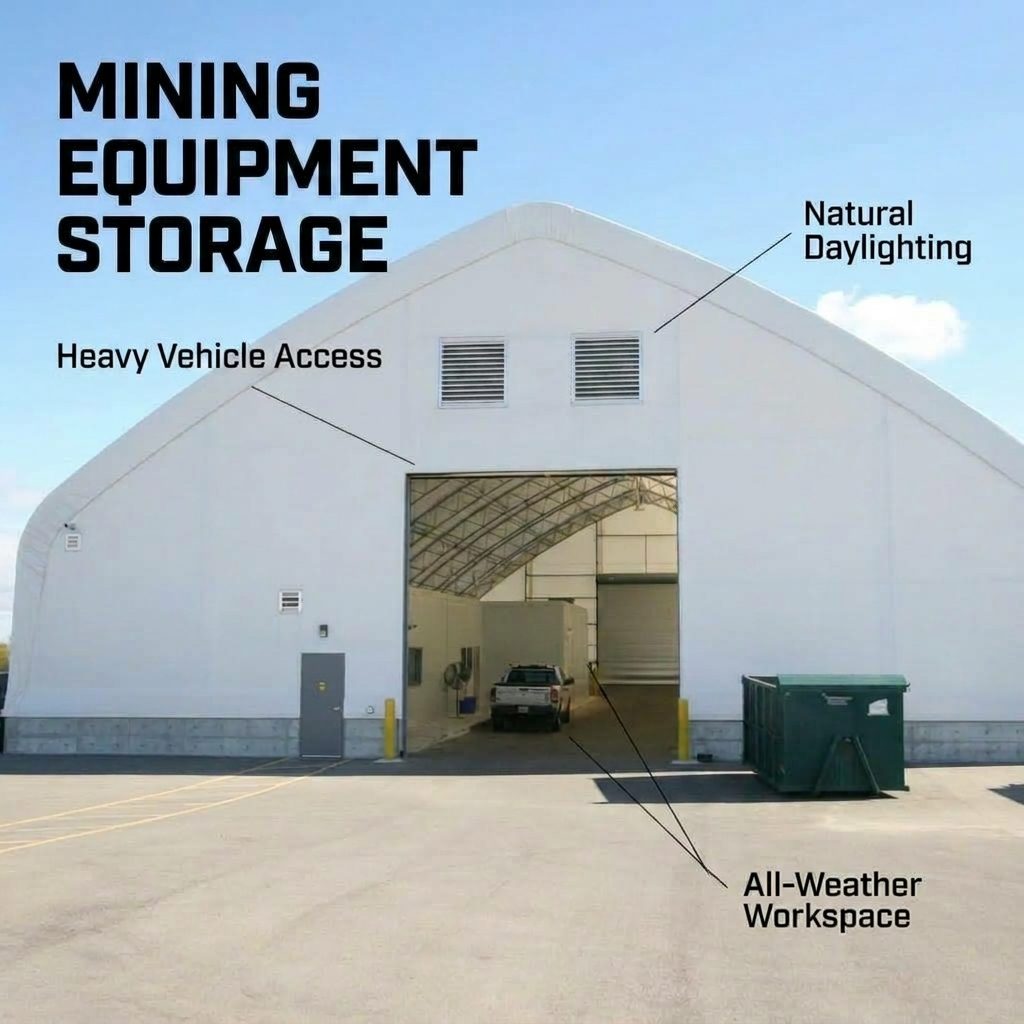
Corrosion protection for mining
Coating Systems

Standard Protection Options

We provide a range of finishes to match project budget and environmental aggressiveness.

SystemStandardThicknessEnvironmentLife (Years)
Hot-Dip Galv (HDG)ISO 146160-85 μmC3 - C5 (High)30 - 50+
Pre-GalvanizedEN 1034620-25 μmC1 - C2 (Low)15 - 20
Epoxy/Powder TopcoatInternal Spec80-120 μmAesthetic10 - 15
Duplex (HDG + Paint)ISO 12944-5150+ μmC5-M (Marine)50+
Cold GalvanizingASTM A780Touch-upRepair onlyN/A
Why Galvanizing?

Total Surface Protection

Hot-dip galvanizing is the gold standard for industrial fabric building frames.

🛡

Sacrificial Protection

Zinc corrodes preferentially to the steel, protecting exposed areas even if the surface is scratched during assembly.

💎

Full Internal Coverage

The dipping process ensures the inside of hollow truss sections is fully coated, preventing hidden internal rust.

🕪

Zero Maintenance

A properly galvanized frame requires no repainting for decades, drastically lowering long-term operating costs.

Application Focus

Extreme Environment Survival

Champion buildings are frequently used in the most corrosive industries on earth, where standard paint fails in months.

🌊

Salt & Fertilizer

High nitrogen and chloride resistance for bulk storage facilities that eat normal steel.

Mining & Smelting

Resistance to acidic dust and chemical vapors in mineral processing plants.

🏗

Coastal Regions

Protection against high-salinity air in ports, offshore support, and beach sites.

Quality Standards

Surface Preparation & Testing

Superior coatings start with superior preparation of the steel substrate.

1

Degreasing

Removal of all oil, grease, and mill scale via hot caustic baths.

2

Pickling

Acid bath to remove rust and prepare the surface for a metallurgical bond.

3

Fluxing

Final chemical dip to prevent oxidation before entering the zinc kettle.

4

Inspection

Magnetic gauge testing on all major components to verify micron thickness.

FAQ

Corrosion FAQ

Yes, for structural steel. HDG provides a metallurgical bond and internal protection that paint cannot match, leading to much lower lifecycle costs and superior durability.

Yes. We provide magnetic gauge test reports verifying the zinc layer thickness on project components, ensuring compliance with ISO 1461.

White rust is a surface oxidation occurring in wet storage. It is purely cosmetic and does not compromise the structural integrity or long-term protection of the steel.

Yes. We can apply a powder coat or epoxy topcoat over galvanizing (Duplex system) if specific colors are required for branding or extreme chemical environments.

In a C4 (High) environment, standard ISO 1461 galvanizing typically provides a service life of 25-40 years before first maintenance is required.

No. Our hot-dip process is carefully temperature-controlled to ensure the mechanical properties of the structural steel grades (Q355/A572) remain fully intact.

Related

Continue Exploring Engineering

Steel Frame → PVC Membrane → Foundation Systems → Quality & Certs →
The Gold Standard

The Hot-Dip Galvanizing Process

Hot-dip galvanizing (HDG) is the process of coating structural steel with a layer of zinc by immersing the metal in a bath of molten zinc at a temperature of around 450°C (842°F).

1

Degrease

Removal of organic contaminants, oil, and grease in a caustic solution.

2

Pickling

Acid bath to remove mill scale and iron oxides, creating a clean metal surface.

3

Fluxing

A final chemical wash to prevent oxidation before the steel enters the zinc kettle.

4

Zinc Bath

Immersion in molten zinc where a metallurgical reaction forms protective alloy layers.

5

Inspection

Visual check and magnetic gauge testing to verify coating thickness and uniformity.

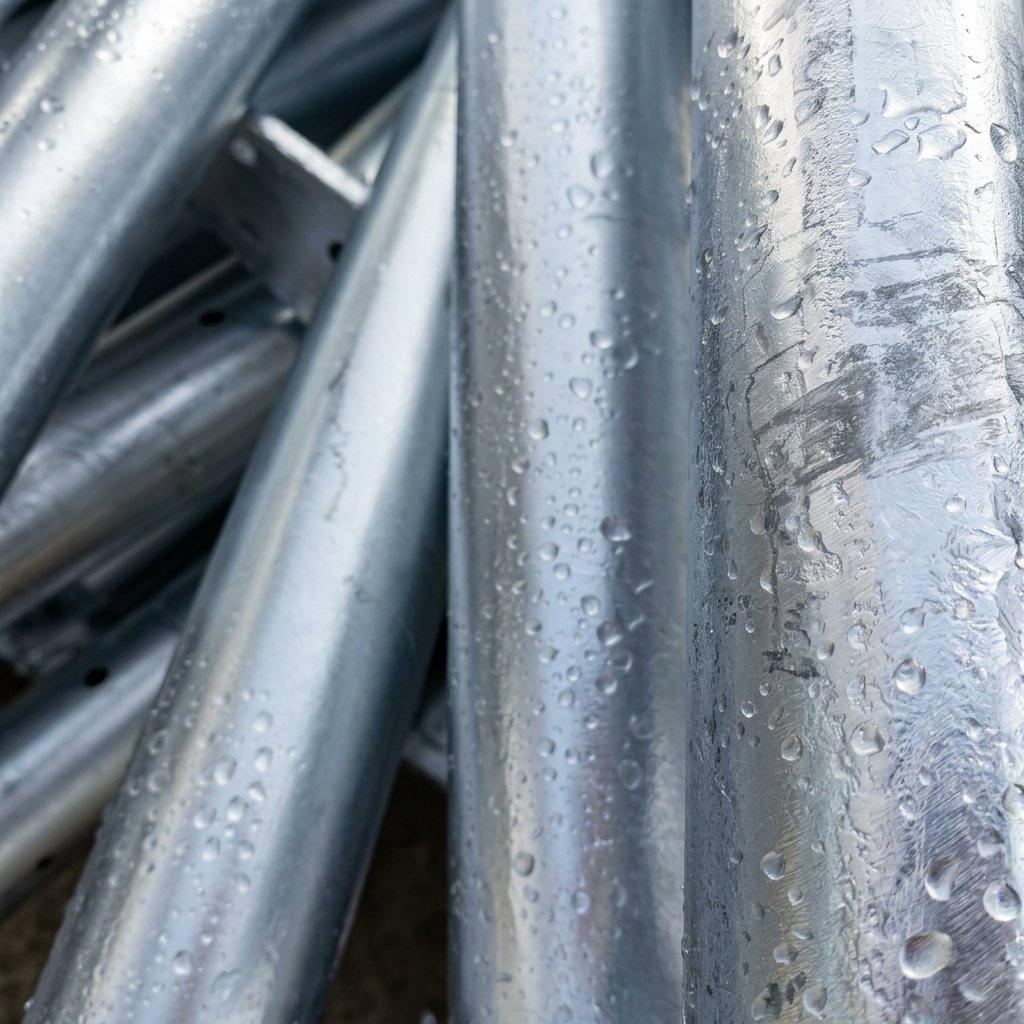
Galvanized steel tube
Compliance

Zinc Coating Thickness Classes

We follow ISO 1461 and ASTM A123 standards to ensure the longevity of our buildings in different environmental categories.

Steel ThicknessMin Coating (microns)Min Coating (g/m²)Corrosivity Class
> 6 mm85 μm610 g/m²C4 / C5 (Marine/Mining)
3 mm to 6 mm70 μm505 g/m²C3 / C4 (Industrial/Coastal)
1.5 mm to 3 mm55 μm395 g/m²C2 / C3 (Rural/Urban)
< 1.5 mm45 μm325 g/m²C1 / C2 (Indoor/Arid)

*Data per ISO 12944 corrosivity assessments. For extreme C5-X environments, we offer additional Duplex epoxy topcoats.

Quality Output

Galvanized Components Gallery

A look at various structural members after emerging from the galvanizing bath.

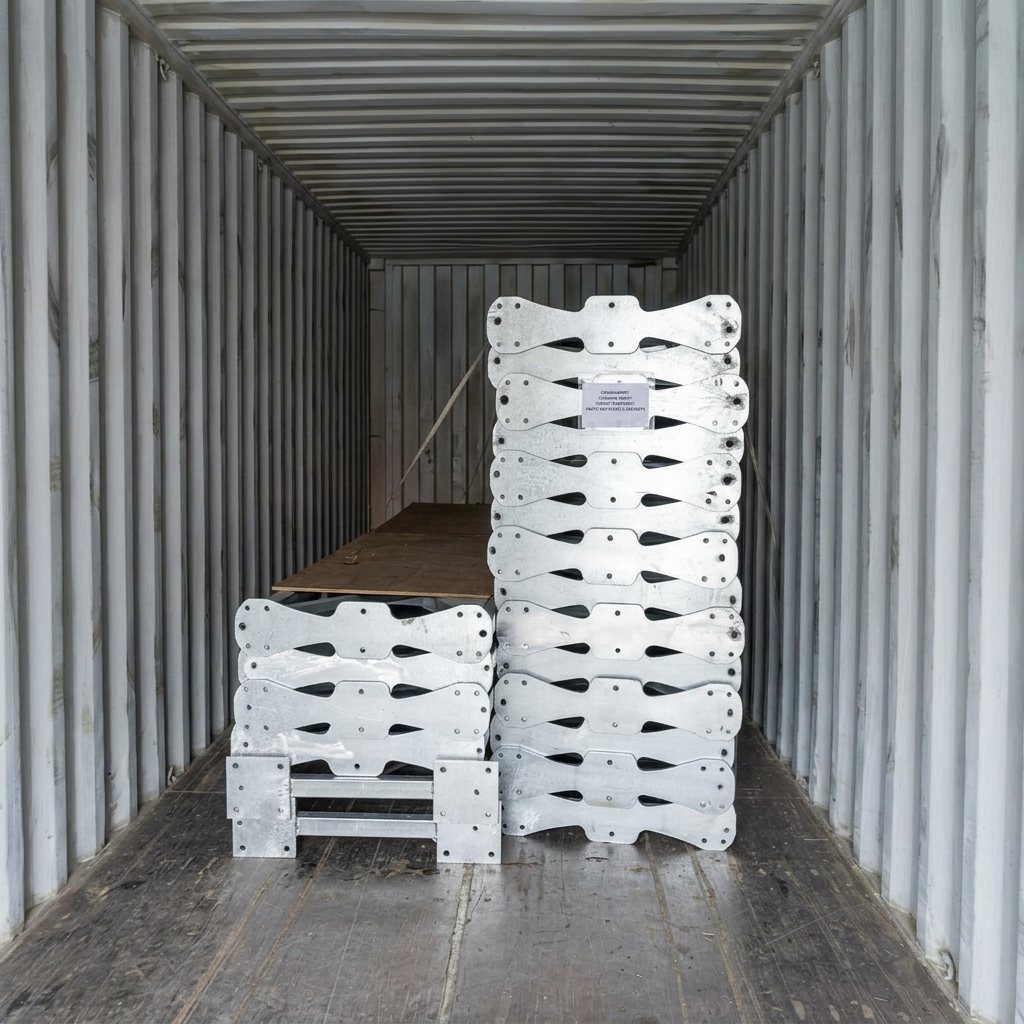
Galvanized end plates

Galvanized End Plates: Critical connection points for truss sections, fully coated for edge-to-edge protection.

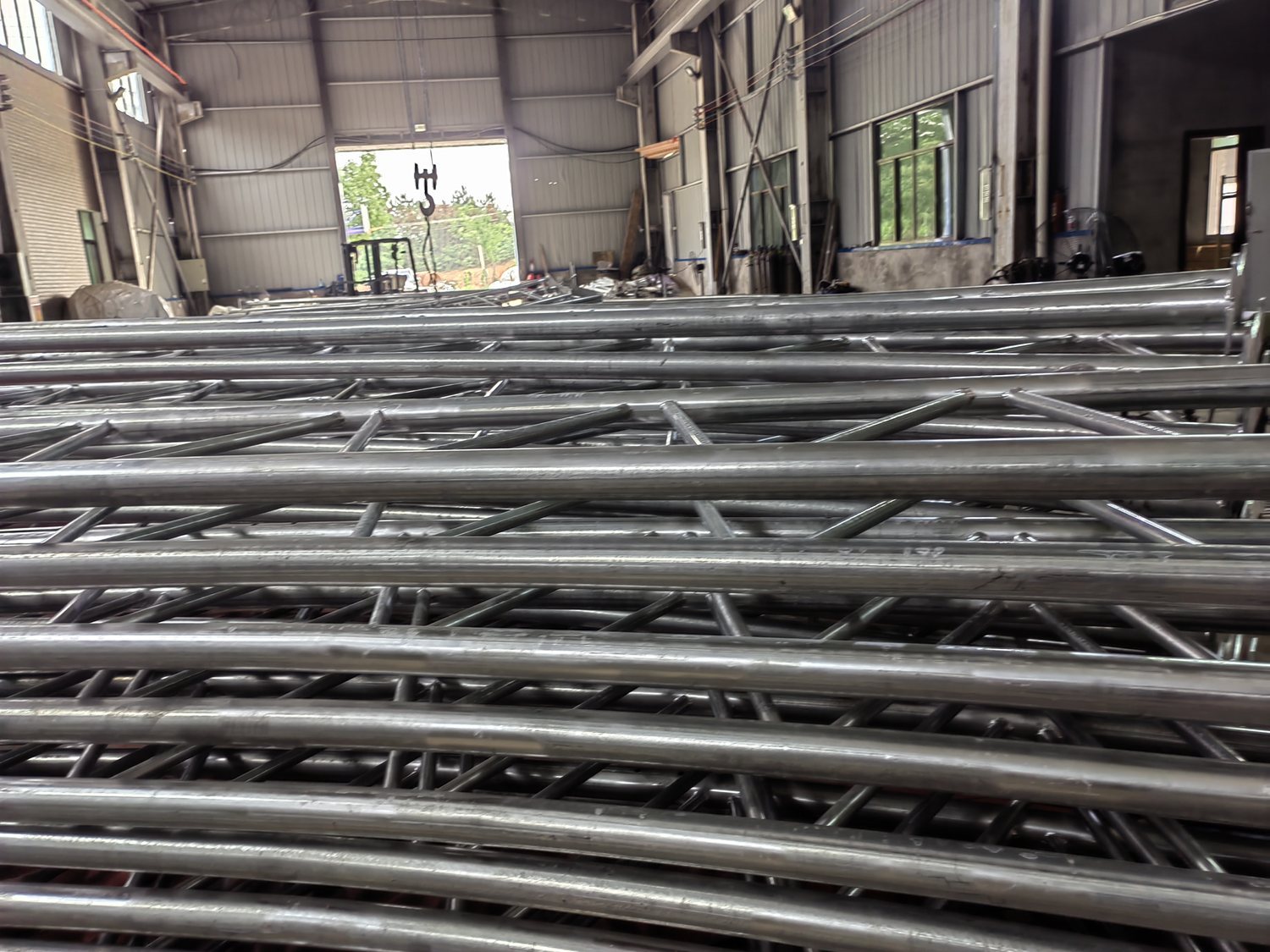
Galvanized truss stack

Structural Truss Stack: Ready for shipping. The silver finish indicates a fresh, high-quality zinc coating.

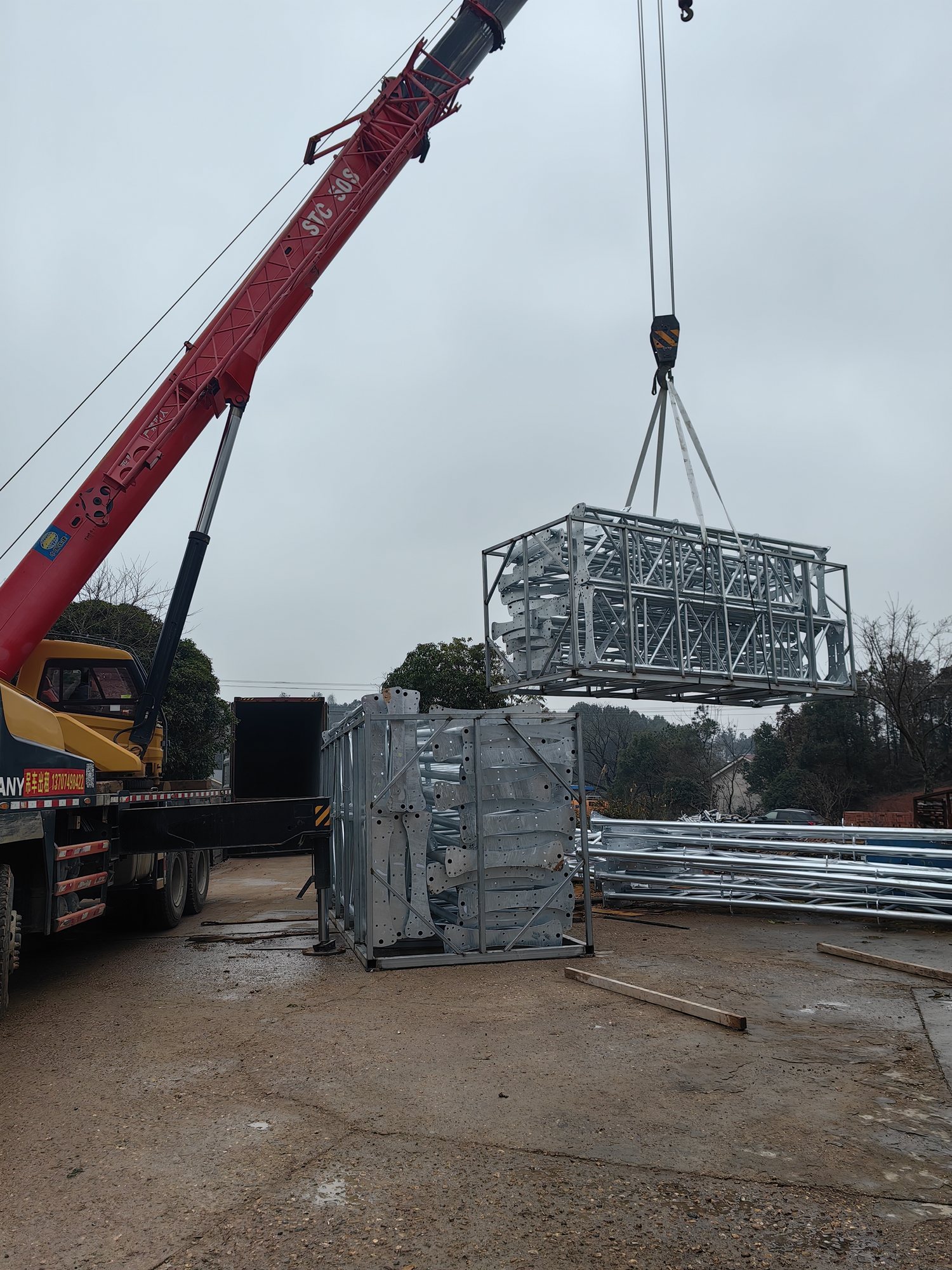
Shipping galvanized steel

Logistics Handling: Galvanized components are exceptionally durable during transit and installation handling.

Performance

Corrosion Performance by Environment

How long can you expect your Champion frame to last before first maintenance?

C2

Rural

Inland, low pollution. Expected life: 50+ years.

C3

Industrial

Urban/Industrial zones. Expected life: 25-40 years.

C4

Coastal

High salinity zones. Expected life: 15-25 years.

C5

Marine/Mining

Aggressive offshore/chemical. Expected life: 10-20 years.

Protect Your Investment

Ask our engineers for a custom corrosivity assessment of your project site.

Request a Free Quote