Home / Resources / Fabric vs Conventional
Operational Choice

Fabric Buildings vs Conventional Construction

Analyzing why high-growth industries are moving away from brick and mortar toward rapid-deploy, sustainable fabric structures.

The Modern Alternative

Breaking the Brick and Mortar Cycle

Conventional construction — involving brick, concrete, and heavy masonry — has been the default for centuries. While permanent, it is often slow, expensive, and inflexible in the face of rapidly changing market demands.

Champion's engineered fabric structures offer a "temporary-permanent" hybrid solution. You get the structural reliability of a traditional building with the agility to expand, relocate, or repurpose your facility as your business evolves.

70% Faster Delivery

From design to occupancy, fabric structures bypass the lengthy curing and drying times of masonry.

🌍

Sustainable Future

Low-impact foundations and energy-efficient lighting make fabric the greener choice for modern industry.
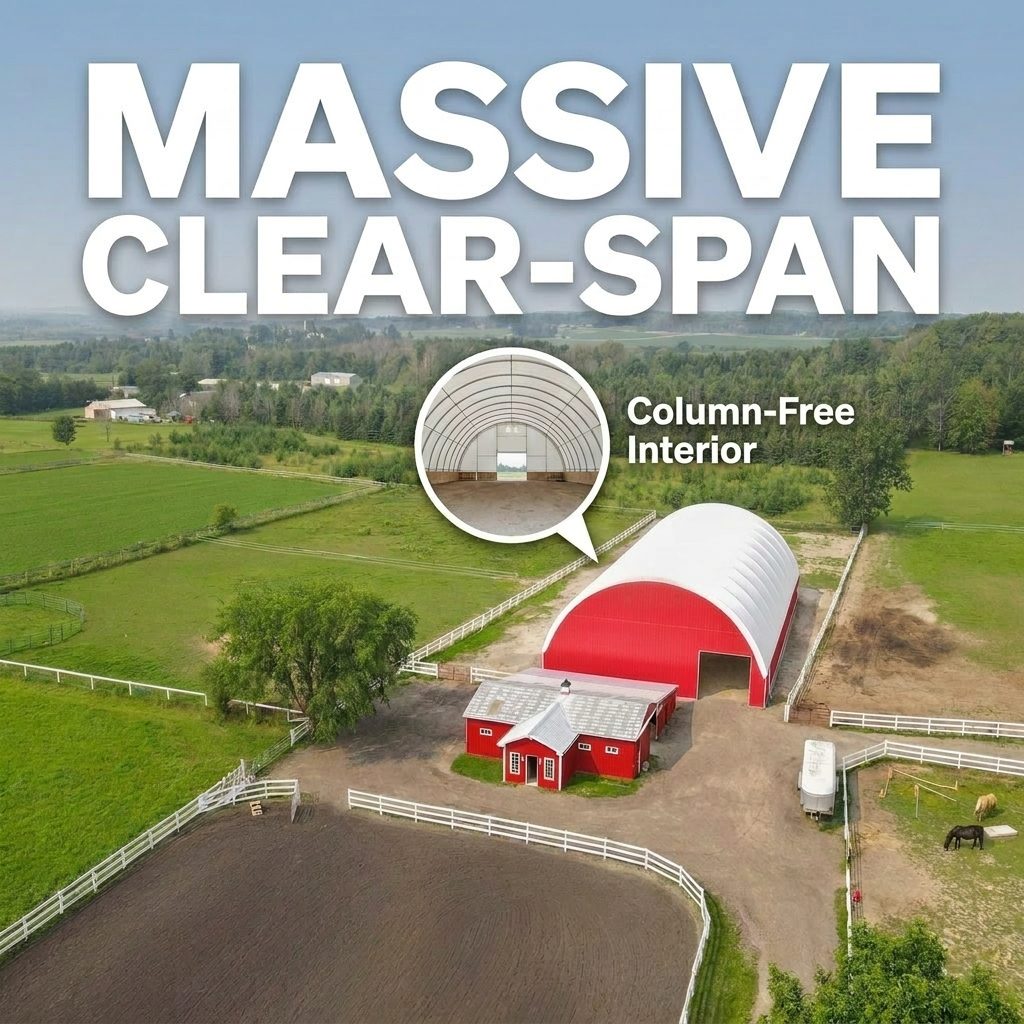
Fabric vs Conventional Construction
Performance Metrics

Fabric vs. Brick and Mortar

How do engineered tension structures stack up against traditional building methods?

CriteriaFabric StructureConventional (Brick/Concrete)
Time to Market4–12 Weeks6–18 Months
Capital OutlayLow to ModerateExtremely High
FlexibilityModular & ExpandableFixed / Difficult to Modify
Site ImpactMinimal (Removable)High (Permanent Alteration)
Interior EnvironmentNatural, Glare-freeArtificial, Shadowy
Tax AdvantageOften Equipment/TemporaryPermanent Improvement
SustainabilityHigh (Recyclable/Low CO2)Low (High Embodied Energy)

Making the Strategic Choice

▲ The Case for Fabric

  • Agility: Respond to new contracts immediately with buildings that go up in weeks, not years.
  • Leased Land: Ideal for sites where you cannot build permanent foundations but need industrial-grade shelter.
  • Natural Light: Reduce operational costs and improve worker safety with 100% natural daytime illumination.
  • Scalability: Easily add bays or connect structures as your storage or production needs grow.

▼ When Conventional Wins

  • High-Rise: If your project requires multi-story vertical density in tight urban cores.
  • Acoustic Isolation: Thick masonry provides superior soundproofing for recording studios or high-decibel testing.
  • Extreme Security: For bunkers, high-security data centers, or vault storage.
  • Legacy Design: Heritage or residential-integrated projects that must match historical stone/brick aesthetics.
Strategic Benefits

Why Forward-Thinking Firms Choose Champion

Cost Predictability

Unlike conventional construction which often suffers from 20–30% budget overruns, fabric structures are manufactured in a controlled environment with fixed pricing.

Asset Portability

Your building is an asset, not just a liability fixed to the ground. If your lease ends or your project moves, the building moves with you.

Low Site Prep

Avoid the massive environmental footprint of deep excavation and concrete pouring. We work with the ground you have.

ISO Standards

Our steel and fabric components meet rigorous international standards (ISO 9001/14001), ensuring quality that exceeds local masonry work.

Explore more technical resources and building types:

Product Portfolio Industrial TFB Cost Guide

Switch to a Smarter Solution

Let us show you how a fabric structure can save you time and capital on your next facility.

Get a Quote Today